Mindfulness Meditation for Mental Health: A Complete Beginner's Guide
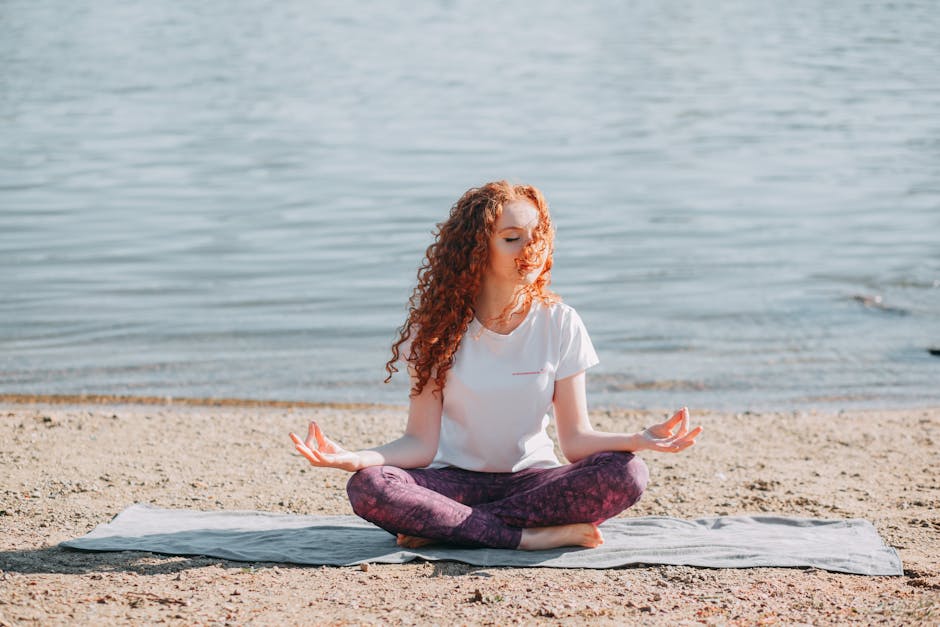
If you've ever felt like your mind is a browser with forty tabs open — each one playing something loud, demanding your attention — you are not alone. The relentless chatter of modern life is one of the primary drivers of rising anxiety, depression, and burnout. And for more than two decades, clinical researchers have been quietly proving that one ancient practice offers a genuinely powerful antidote: mindfulness meditation.
This guide is not about incense, mysticism, or achieving some enlightened state. It's about a scientifically validated skill you can learn in minutes, practice anywhere, and build on for a lifetime. Whether you're managing anxiety, navigating depression, or simply trying to reduce chronic stress, this guide covers exactly what mindfulness is, what the research proves, and how to start today.
What Is Mindfulness Meditation? (And What It Isn't)
Mindfulness is defined by the psychologist Jon Kabat-Zinn — who pioneered its clinical use in the late 1970s — as "paying attention in a particular way: on purpose, in the present moment, and nonjudgmentally." It is the practice of deliberately directing awareness to your current experience — thoughts, sensations, emotions — without trying to fix, suppress, or escape them.
What mindfulness is not:
- Emptying your mind. Thoughts will come. The practice is noticing them and returning to your anchor (usually the breath) without drama.
- Religious or spiritual practice. While mindfulness has roots in Buddhist contemplative traditions, modern clinical mindfulness is entirely secular.
- Relaxation therapy. Relaxation may occur, but the goal is awareness — which sometimes means sitting with uncomfortable emotions rather than escaping them.
- A quick fix. Mindfulness is a skill. Like strength training, benefits accumulate over weeks and months of consistent practice.
The two major clinical programs built around mindfulness are Mindfulness-Based Stress Reduction (MBSR), developed by Kabat-Zinn at the University of Massachusetts, and Mindfulness-Based Cognitive Therapy (MBCT), developed by Zindel Segal, Mark Williams, and John Teasdale. Both have generated hundreds of peer-reviewed studies and are now recommended in clinical guidelines worldwide.
The Science: What Mindfulness Actually Does to Your Brain
The evidence base for mindfulness is now robust enough that it has moved firmly into mainstream medicine. Here is what neuroimaging and randomized controlled trials have demonstrated:
Shrinks the Amygdala
The amygdala is your brain's threat-detection center — the alarm system that fires when you perceive danger. In people with anxiety and PTSD, the amygdala is chronically hyperactivated, treating everyday situations as emergencies. A 2010 Harvard study by Sara Lazar and colleagues showed that MBSR practice was associated with reduced gray matter density in the amygdala — and this reduction correlated directly with participants' reported reductions in stress. Less amygdala reactivity means fewer and milder stress responses.
Thickens the Prefrontal Cortex
The prefrontal cortex (PFC) governs executive function — rational thinking, emotional regulation, impulse control. Depression and chronic stress are associated with PFC thinning. Remarkably, regular meditators show greater cortical thickness in PFC regions, and even short-term MBSR practice can begin reversing this atrophy. This is the neurological basis for why mindfulness improves emotional regulation: you're literally building up the brain's "brake system" on emotional reactivity.
Reduces Default Mode Network Rumination
The Default Mode Network (DMN) is active when your mind wanders — daydreaming, worrying, replaying the past, catastrophizing about the future. In people with depression, the DMN is overactive and dominated by negative self-referential thinking. Mindfulness practice has been shown to quiet the DMN and reduce the frequency and emotional intensity of rumination, which is one of the key maintenance factors in both depression and anxiety.
Lowers Cortisol and Inflammatory Markers
Chronic stress floods the body with cortisol, which over time damages the immune system, gut lining, and hippocampus (the brain's memory and mood center). A 2014 systematic review published in JAMA Internal Medicine analyzed 47 randomized trials and found that mindfulness meditation programs produced moderate improvements in anxiety, depression, and pain — and several studies showed reduced cortisol and inflammatory cytokines like IL-6 and CRP.
Evidence-Based Benefits for Specific Conditions
Anxiety
The research on mindfulness for anxiety is among the strongest in the field. A 2018 meta-analysis of 65 trials in Psychiatric Clinics of North America found effect sizes for anxiety ranging from moderate to large, comparable to first-line pharmacological treatments for generalized anxiety disorder (GAD) and social anxiety disorder. Crucially, mindfulness addresses the root mechanism of anxiety — avoidance and hypervigilance — rather than simply suppressing symptoms.
Depression and Relapse Prevention
MBCT was specifically designed to prevent depressive relapse, and the results are striking. A landmark 2016 meta-analysis in JAMA Psychiatry pooled data from 1,258 patients across nine randomized trials and found that MBCT reduced the risk of depressive relapse by 43% compared to usual care — with the strongest effects in people who had experienced three or more previous episodes. MBCT is now included in the National Institute for Health and Care Excellence (NICE) guidelines in the UK as a recommended treatment for recurrent depression.
Chronic Pain
Pain is not just a physical signal — it is a brain-body interpretation of threat. Mindfulness teaches the brain to observe sensory input without catastrophizing, which directly reduces pain intensity and the emotional suffering layered on top of it. A 2016 JAMA Internal Medicine study found that mindfulness meditation outperformed cognitive behavioral therapy and usual care for chronic lower back pain in reducing pain-related functional limitations at 26 weeks. For people with complex pain conditions, programs like those offered at The Bridge Health Recovery Center integrate mindfulness with comprehensive pain treatment for deeper, more lasting relief.
PTSD and Trauma
Trauma-sensitive mindfulness — adapted to avoid retraumatization — shows promise for PTSD. A 2015 randomized trial in Depression and Anxiety found that MBSR reduced PTSD symptom severity significantly compared to a present-centered therapy control group among veterans. The key is that trauma survivors need a modified approach that emphasizes external anchors (sounds, senses) before turning attention inward.
Stress and Burnout
Even outside of clinical populations, mindfulness is one of the most evidence-supported tools for managing occupational stress and burnout. A 2019 Cochrane review found mindfulness-based interventions significantly reduced psychological distress and burnout in healthcare professionals compared to control groups.
6 Core Mindfulness Techniques for Beginners
Start with 5-10 minutes per day and build gradually. Consistency matters far more than duration — even 10 minutes daily outperforms a 90-minute session once a week.
1. Mindful Breathing (The Foundation)
Sit comfortably. Close your eyes or lower your gaze. Bring attention to the physical sensation of breathing — the rise and fall of your chest, the feeling of air entering your nostrils. When your mind wanders (and it will), gently, without judgment, return attention to the breath. That's it. That gentle return is the practice. Try this for 5 minutes to start.
2. Body Scan
Lie down or sit. Starting at the top of your head, slowly move your attention down through your body — scalp, face, neck, shoulders, chest, arms, hands, belly, hips, legs, feet. Notice sensations (tightness, warmth, tingling) without trying to change them. This technique is particularly effective for people with chronic pain and those who carry tension in the body without awareness. A full body scan takes 20-45 minutes, but a shorter 10-minute version is equally beneficial for beginners.
3. Loving-Kindness Meditation (Metta)
Silently repeat phrases like "May I be happy. May I be healthy. May I be at peace." Then extend those wishes to others — a loved one, a neutral person, even someone difficult. Research shows loving-kindness meditation reduces self-criticism, loneliness, and social anxiety, and activates the brain's compassion circuitry. This technique is especially helpful for those whose inner critic is loud.
4. The STOP Technique (Informal Practice)
This micro-practice can be done anywhere, anytime:
S — Stop what you're doing.
T — Take a breath.
O — Observe: what are you thinking, feeling, sensing right now?
P — Proceed with awareness.
Use it before a difficult conversation, after checking your phone, or when you feel stress building. It takes 30 seconds and can interrupt the automatic reactivity cycle before it escalates.
5. Mindful Walking
Slow down your pace significantly. Feel each footstep — heel, arch, toe. Notice the movement of your legs, the sensation of air on your skin, the sounds around you. Walking meditation is ideal for those who find seated meditation difficult, including people with anxiety, restlessness, or chronic pain that makes sitting uncomfortable.
6. Observing Thoughts Without Fusion
Rather than getting swept up in thoughts, practice viewing them as passing events: "I notice I'm having the thought that I'm failing." This defusion technique — borrowed from Acceptance and Commitment Therapy (ACT) — creates psychological distance from distressing thoughts, reducing their emotional grip. It's particularly effective for the self-critical rumination patterns common in depression.
How to Build a Sustainable Practice: The First 8 Weeks
The clinical MBSR program runs eight weeks for a reason — that is the approximate duration for measurable neurological changes to take root. Here is a structure that mirrors the research without requiring a formal program enrollment:
- Weeks 1-2: 5-10 minutes of mindful breathing daily. Same time each day builds habit. Morning practice before checking your phone is ideal.
- Weeks 3-4: Add one body scan per week (20 minutes). Begin using the STOP technique throughout the day.
- Weeks 5-6: Extend sitting practice to 15-20 minutes. Experiment with loving-kindness meditation on days when self-criticism is high.
- Weeks 7-8: Integrate mindful walking and formal sitting practice. Begin informal practice — eating mindfully, washing dishes mindfully, one activity per day with full attention.
Common obstacles and solutions:
- "I don't have time." Research shows 10 minutes is sufficient for measurable benefit. Many people find that meditation actually creates time by reducing the mental churn that wastes hours.
- "My mind won't stop." This is not failure — it is the practice. Every wandering thought you notice is a mindfulness rep. Beginners often have busier minds than experienced meditators, which is normal.
- "I fell asleep." Try sitting upright rather than lying down, or practice at a different time of day. Sleepiness during meditation often indicates sleep debt that needs addressing separately.
- "I feel more anxious when I meditate." This can occur for trauma survivors or those with severe anxiety. Starting with eyes open, using external anchors (sounds), or practicing with a therapist is recommended.
Choosing the Right Tools and Resources
You do not need anything to practice mindfulness — just your attention. But these tools can support a developing practice:
Apps
- Headspace — Structured beginner courses with clinical partnerships; one of the most research-studied apps.
- Calm — Strong library of guided meditations, sleep stories, and breathing exercises.
- Insight Timer — Free with thousands of guided sessions; excellent for intermediate to advanced practitioners.
- Ten Percent Happier — Created by a skeptic for skeptics; strong on evidence-based, secular content.
Books
- Full Catastrophe Living by Jon Kabat-Zinn — The definitive guide to MBSR; dense but comprehensive.
- The Mindful Way Through Depression by Williams, Teasdale, Segal & Kabat-Zinn — Best evidence-based book for depression.
- Wherever You Go, There You Are by Jon Kabat-Zinn — Accessible and deeply readable introduction.
Formal Programs
If self-directed practice is not gaining traction, consider enrolling in a formal MBSR program (available online and in-person in most cities), working with a mindfulness-trained therapist, or attending a residential wellness program. For people whose mental health struggles are complex or entrenched, The Bridge Health Recovery Center's stress and anxiety program integrates mindfulness within a comprehensive therapeutic model, providing the structure and support that self-directed practice cannot.
When Mindfulness Isn't Enough
Mindfulness is a powerful tool — but it is not a complete treatment for clinical mental health conditions. Research clearly shows it works best as part of a broader approach:
- Moderate-to-severe depression, anxiety disorders, and PTSD require professional assessment and treatment, which may include psychotherapy (CBT, EMDR, DBT), medication, and sometimes more intensive care.
- Trauma survivors may need trauma-informed therapy before or alongside mindfulness practice to avoid retraumatization.
- If you have tried self-directed mindfulness for 8 weeks without meaningful improvement, it is a signal that additional support is warranted — not that you are failing.
If your symptoms are significantly impacting your daily functioning, relationships, or physical health, exploring professional treatment options is the next appropriate step.
Frequently Asked Questions
How long does it take for mindfulness meditation to work for mental health?
Research shows measurable changes in stress and anxiety can appear within 8 weeks of consistent practice — even with just 10-15 minutes per day. Brain imaging studies show structural changes in the prefrontal cortex and amygdala after 8 weeks of MBSR practice. However, many people report subjective improvements in mood and stress levels within the first 2-4 weeks.
Can mindfulness meditation make anxiety worse?
For most people, mindfulness reduces anxiety. However, some individuals — especially those with severe trauma or PTSD — can experience increased distress when turning inward. This is known as "meditation-induced anxiety" and is well-documented in the research. If this happens, trauma-sensitive mindfulness with a trained therapist is recommended, using external anchors before internal focus.
Do I need to empty my mind to meditate?
No — this is the most common misconception about meditation. The goal is not to stop thoughts but to notice them without reacting. Every time you catch your mind wandering and gently return your focus, that is the practice. Beginners typically have very busy minds, and that is completely normal. Even experienced meditators have wandering thoughts — they just notice them more quickly.
Is mindfulness meditation a replacement for therapy or medication?
Mindfulness is a powerful complement to professional treatment, but it is not a standalone cure for clinical mental health conditions. Research consistently shows the best outcomes when mindfulness is combined with therapy, medication (when appropriate), and lifestyle changes. If your symptoms are moderate to severe, please seek professional evaluation.
What is the best type of mindfulness meditation for depression?
Mindfulness-Based Cognitive Therapy (MBCT) has the strongest evidence base for depression, particularly for preventing relapse. Multiple randomized controlled trials show it reduces recurrence risk by 43-50% in people with three or more previous depressive episodes. For active depression, MBCT is typically combined with antidepressants or other therapy rather than used as a sole treatment.
Ready to Go Deeper Than Self-Help?
Mindfulness is a powerful starting point — but if anxiety, depression, or chronic stress are significantly affecting your life, you deserve more than a meditation app. The Bridge Health Recovery Center offers comprehensive residential programs that integrate evidence-based mindfulness with therapy, nutrition, and holistic care.
Find Treatment Options Or call 435-559-1922 for a free confidential consultation