Neuroplasticity and Pain: How Your Brain Can Unlearn Chronic Pain
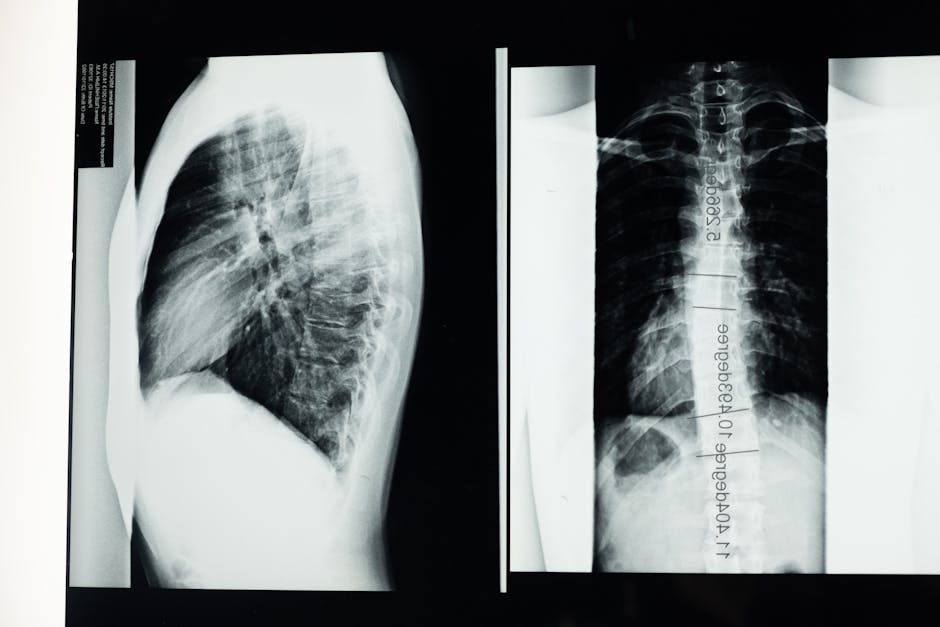
For decades, chronic pain was treated as a purely mechanical problem — a broken disc, inflamed tissue, damaged nerve. Fix the structure, fix the pain. But for the 50 million Americans living with chronic pain, that model has repeatedly failed. Surgeries haven't helped. Medications have lost their effect. The pain persists long after any original injury has healed.
What science has uncovered over the past two decades is both humbling and genuinely hopeful: in many cases of chronic pain, the primary problem is not in the body — it is in the brain's learned pain circuits. And because of a phenomenon called neuroplasticity, those circuits can be changed.
This article explains the neuroscience of how chronic pain gets encoded in the brain, what neuroplasticity actually is, and — most importantly — the evidence-based strategies that are helping real patients rewire their way to recovery.
What Is Neuroplasticity?
Neuroplasticity refers to the brain's ability to reorganize itself by forming new neural connections throughout life. It is not a fringe concept — it is one of the most well-established principles in modern neuroscience.
Every time you learn a new skill, form a memory, or recover from a stroke, neuroplasticity is at work. Neurons that fire together wire together — a concept first articulated by Canadian psychologist Donald Hebb in 1949 and validated by decades of subsequent research. Repeated activation of a neural pathway strengthens it; disuse weakens it.
This principle applies equally to pain. A 2008 study published in the Journal of Neuroscience used brain imaging to show that chronic back pain patients had measurable abnormalities in the prefrontal cortex — a region not typically associated with pain processing — compared to healthy controls. The brain had structurally changed in response to sustained pain signaling.
The key insight: if the brain changed to amplify pain, it can change again to reduce it.
How Chronic Pain Gets Wired Into the Brain
Acute pain is protective. When you sprain an ankle, nociceptors (pain receptors) send danger signals to the brain, which generates a pain response to make you protect the injured area. Under normal circumstances, as tissue heals over days to weeks, the pain signals fade.
But in some people, the pain system becomes sensitized — a state called central sensitization. The nervous system begins amplifying signals, essentially turning the volume dial on pain all the way up and keeping it there. Innocuous sensations become painful. Normal movements trigger alarm. The brain begins predicting danger even when no real danger exists.
Research published in Trends in Cognitive Sciences frames chronic pain as a form of "predictive coding gone wrong." The brain — which is fundamentally a prediction machine — learns to predict pain and generates it preemptively. Over time, this prediction becomes a self-fulfilling loop.
Central sensitization explains why:
- Chronic pain often persists long after injuries have fully healed on imaging scans
- Pain spreads to areas not originally injured
- Psychological stress reliably worsens pain
- Pain flares often accompany life stressors with no new physical cause
- People with fibromyalgia experience widespread pain despite no identifiable tissue damage
Understanding this is not about dismissing pain as "all in your head." The pain is real — 100% real, generated by a real nervous system. But its source has shifted from the body to learned brain patterns that can be addressed.
The Landmark Research That Changed Pain Science
In 2021, a randomized controlled trial published in JAMA Psychiatry delivered results that stunned the pain medicine world. Researchers at the University of Colorado tested a new approach called Pain Reprocessing Therapy (PRT) — a treatment designed explicitly to leverage neuroplasticity — against a placebo injection and standard care in patients with chronic back pain.
The results were striking. After four weeks of PRT:
- 66% of PRT participants were pain-free or nearly pain-free
- Only 20% of placebo patients and 10% of standard care patients achieved the same outcome
- Improvements were maintained at one-year follow-up
- Brain imaging showed changes in pain-processing regions, confirming that actual neural rewiring had occurred
This study provided the clearest evidence yet that chronic pain can be unlearned — and that doing so produces lasting biological change, not just psychological coping.
Pain Reprocessing Therapy: Targeting the Brain Directly
Pain Reprocessing Therapy was developed by Alan Gordon, LCSW, and is grounded in the work of pain neuroscience pioneers including Dr. Howard Schubiner and Dr. John Sarno. Its core premise: when chronic pain is primarily driven by sensitized brain circuits (rather than active structural damage), the most effective treatment is teaching the brain to interpret previously threatening sensations as safe.
PRT involves several key components:
Pain education: Patients learn the neuroscience of central sensitization. Understanding why pain has persisted — and that it does not reflect ongoing tissue damage — begins to reduce the fear that amplifies it.
Somatic tracking: Patients practice observing pain sensations with curiosity rather than fear or avoidance. This directly interrupts the fear-pain cycle that drives central sensitization.
Identifying and addressing pain triggers: Stress, certain movements, thoughts, or memories that activate pain circuits are identified and systematically addressed.
Positive neuroplasticity practices: Activities that activate reward circuits and positive emotional states help counterbalance chronic pain networks.
PRT typically involves 8–12 sessions with a trained therapist. It is increasingly available through telehealth platforms and some residential treatment programs that specialize in chronic pain recovery, such as The Bridge Health Recovery Center's chronic pain program, which integrates neuroplasticity-based approaches within a comprehensive residential setting.
CBT for Pain: Rewiring Thought Patterns That Drive Suffering
Cognitive Behavioral Therapy adapted for chronic pain (CBT-P) has one of the strongest evidence bases of any psychological treatment for pain. A 2021 meta-analysis in JAMA Internal Medicine covering 47 randomized trials found that CBT significantly reduced pain intensity, disability, and catastrophizing — with effects sustained at follow-up.
CBT-P works through neuroplasticity by targeting the cognitive and behavioral patterns that maintain central sensitization:
Pain catastrophizing — the tendency to ruminate on pain, magnify its threat, and feel helpless — is among the strongest psychological predictors of chronic pain severity. Catastrophizing activates prefrontal and limbic circuits that amplify pain signals. CBT directly challenges and restructures these thought patterns, measurably reducing catastrophizing scores and associated brain activation.
Activity avoidance is another key target. When pain causes people to avoid movement, the brain learns that movement is dangerous — strengthening pain circuits further. Graded activity exposure within CBT-P systematically reverses this avoidance, demonstrating to the brain through repeated experience that movement is safe.
Research using fMRI has shown that successful CBT for pain produces measurable changes in brain structure and function — including in the prefrontal cortex, anterior cingulate cortex, and insula — confirming that the therapy is not just changing mindsets but physically rewiring neural pathways.
Mindfulness-Based Approaches: Training the Pain Observer
Mindfulness-Based Stress Reduction (MBSR) — the 8-week program developed by Jon Kabat-Zinn at the University of Massachusetts — has been studied extensively for chronic pain. A 2016 landmark trial published in JAMA Internal Medicine (the IMPACT trial) found that MBSR produced significantly greater improvements in back pain and functional limitations than usual care, with effects comparable to CBT.
Mindfulness works on pain through several neuroplasticity mechanisms:
- Reduced pain catastrophizing: Regular mindfulness practice strengthens prefrontal cortex regulation of the amygdala, reducing the emotional amplification of pain signals
- Sensory-evaluative decoupling: Mindfulness trains the capacity to observe painful sensations without adding layers of suffering, fear, or meaning — separating the pure sensation from the story the mind tells about it
- Structural brain changes: Long-term meditators show increased gray matter density in areas associated with pain modulation, including the insula and prefrontal cortex
- Default mode network regulation: Chronic pain is associated with overactivity in the default mode network (DMN), the brain's self-referential resting state. Mindfulness consistently reduces DMN over-activation
For people new to mindfulness, guided apps (Insight Timer, Calm, Headspace) and MBSR programs offered by hospitals and community health centers provide accessible entry points. Even 10–15 minutes of daily mindfulness practice has been shown to produce measurable brain changes within 8 weeks.
Graded Motor Imagery and Mirror Therapy
Graded Motor Imagery (GMI) is a neuroplasticity-based treatment developed specifically for conditions involving significant cortical reorganization — including Complex Regional Pain Syndrome (CRPS), phantom limb pain, and some forms of chronic neuropathic pain.
GMI works in three sequential stages:
- Limb laterality recognition: The patient practices rapidly identifying images of left vs. right body parts, reactivating accurate cortical body maps
- Motor imagery: The patient imagines moving the affected limb without actually moving it, activating motor cortex pathways safely
- Mirror therapy: The patient watches their healthy limb move in a mirror, creating the visual illusion of the affected limb moving painlessly
A Cochrane systematic review found moderate evidence that GMI reduces pain and improves function in CRPS. For people living with complex regional pain syndrome, GMI is considered a first-line neuroplasticity-based treatment and is available through specialized pain centers.
Lifestyle Factors That Support Neuroplasticity for Pain Relief
Neuroplasticity is not only driven by formal therapy. Several lifestyle factors powerfully influence the brain's ability to rewire itself:
Aerobic exercise is one of the most potent neuroplasticity enhancers available. Exercise increases levels of Brain-Derived Neurotrophic Factor (BDNF) — sometimes called "Miracle-Gro for the brain" — which supports new neuron growth and synaptic strengthening. For chronic pain specifically, regular aerobic exercise reduces central sensitization, activates descending pain inhibition pathways, and improves mood, which in turn reduces pain amplification. Even low-impact exercise like walking, swimming, or cycling provides measurable benefit.
Sleep is when the brain consolidates neuroplastic changes. Chronic pain and poor sleep exist in a bidirectional relationship — pain disrupts sleep, and poor sleep amplifies pain sensitivity. A study in the journal Sleep found that even one night of sleep deprivation significantly increased next-day pain sensitivity in healthy subjects. Protecting sleep quality is therefore a direct pain management strategy, not just a comfort measure.
Social connection activates endogenous opioid and reward systems that provide natural pain modulation. Research has found that social rejection activates similar brain regions as physical pain, and conversely, social support measurably reduces pain sensitivity. Isolation — extremely common in chronic pain — removes this natural analgesia.
Stress management is critical because the stress response directly activates pain circuits. Cortisol and norepinephrine released during stress lower pain thresholds and can trigger central sensitization flares. Any practice that activates the parasympathetic nervous system — deep breathing, progressive muscle relaxation, yoga, time in nature — supports the neuroplastic changes needed for pain recovery.
Putting It Together: A Practical Neuroplasticity Plan
Neuroplasticity-based pain recovery is not a single intervention — it is an approach that combines education, targeted therapy, and daily practices over time. A realistic framework:
Step 1: Understand your pain. Read pain neuroscience education (books like Explain Pain by Butler & Moseley, or Unlearn Your Pain by Dr. Howard Schubiner). Understanding that chronic pain is a learned brain process — not proof of ongoing structural damage — is itself therapeutic and begins to reduce the fear driving sensitization.
Step 2: Work with a trained professional. Seek out a pain psychologist, PRT-trained therapist, or CBT-P practitioner. Many are now available via telehealth. This is the core of rewiring — not something to do alone.
Step 3: Build a daily practice. Combine 10–20 minutes of mindfulness or somatic tracking, 20–30 minutes of gentle aerobic movement, and prioritized sleep hygiene. Consistency over intensity — small daily repetitions are how new neural pathways get strengthened.
Step 4: Address psychological co-factors. Anxiety, depression, and trauma frequently co-occur with chronic pain and maintain central sensitization. Treating these is not separate from treating pain — it is part of the same neuroplasticity work.
Step 5: Consider residential treatment if needed. For people with severe, longstanding chronic pain who have not responded to outpatient approaches, residential programs that integrate PRT, CBT, mindfulness, somatic therapies, and lifestyle medicine offer an intensive, immersive environment for neuroplastic change. These programs remove people from their triggering home environments and provide structured daily practice under professional guidance.
FAQ: Neuroplasticity and Chronic Pain
Can the brain actually unlearn chronic pain?
Yes. Research shows that neuroplasticity — the brain's ability to reorganize its neural pathways — can be harnessed to reduce and even eliminate chronic pain. A landmark 2021 randomized controlled trial published in JAMA Psychiatry found that Pain Reprocessing Therapy eliminated or substantially reduced chronic back pain in 66% of participants, with brain imaging confirming actual neural changes.
What is central sensitization?
Central sensitization is a state in which the central nervous system (brain and spinal cord) becomes hypersensitive to pain signals. After prolonged or intense pain, the nervous system amplifies pain responses — a process driven by neuroplasticity. The good news: the same plasticity that created sensitization can be used to reverse it.
How long does it take to rewire the brain for pain relief?
It varies by individual, pain duration, and treatment approach. Some people report meaningful improvement within 4–8 weeks of structured neuroplasticity-based therapy. Others require 3–6 months of consistent practice. The 2021 JAMA Psychiatry PRT study achieved significant results over just four weeks of daily treatment sessions.
What therapies use neuroplasticity to treat pain?
Evidence-based approaches include Pain Reprocessing Therapy (PRT), Acceptance and Commitment Therapy (ACT), Cognitive Behavioral Therapy for pain (CBT-P), Mindfulness-Based Stress Reduction (MBSR), Graded Motor Imagery (GMI), and certain neurofeedback protocols. Each targets pain-amplifying brain circuits through different mechanisms.
Is this treatment suitable for all chronic pain?
These approaches work best for chronic pain that persists beyond the normal tissue-healing window (typically 3+ months) or pain disproportionate to identifiable structural damage. They are not a replacement for medical evaluation — always rule out active injury or pathology first. A pain specialist or psychologist trained in pain neuroscience can help determine suitability for your specific situation.
Ready to Explore Neuroplasticity-Based Pain Treatment?
Residential treatment programs that integrate Pain Reprocessing Therapy, CBT, mindfulness, and lifestyle medicine offer an intensive environment for lasting neuroplastic change. Our Find Help page connects you with programs specializing in chronic pain and mental health recovery.
Find Treatment Options Or call 435-559-1922 for a free confidential consultationCrisis resources: If you are in crisis, call or text 988 (Suicide & Crisis Lifeline) — available 24/7. For medical emergencies, call 911 or go to your nearest emergency room.