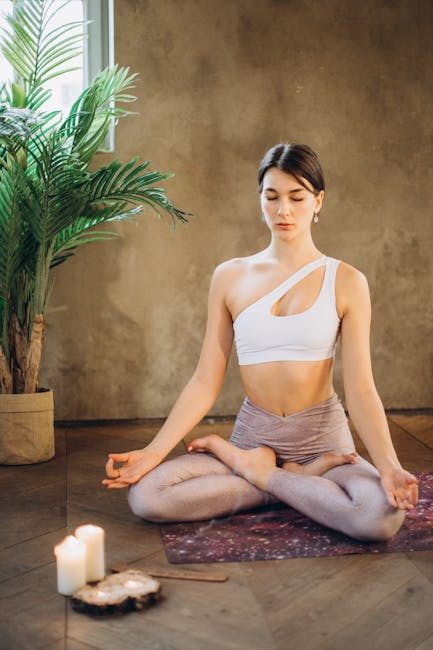
Your nervous system has a built-in reset button — and most of us have never been taught how to use it. The vagus nerve, the longest cranial nerve in the body, is the backbone of the parasympathetic ("rest-and-digest") system. When its tone is high, you feel calm, focused, and resilient. When it's chronically underactivated, anxiety, inflammation, and emotional dysregulation take hold. The good news: you can train it at home, for free, starting today.
This guide covers the science, the practical techniques, and what to realistically expect — grounded in peer-reviewed research, not wellness influencer hype.
What Is the Vagus Nerve and Why Does It Matter?
The vagus nerve (cranial nerve X) runs from the brainstem through the neck, chest, and abdomen, sending signals between the brain and nearly every major organ — heart, lungs, gut, liver. It's the primary vehicle for the parasympathetic nervous system, which counteracts the sympathetic stress response triggered by perceived threat.
Vagal tone is typically measured by heart rate variability (HRV) — the beat-to-beat variation in heart rhythm. Higher HRV = better vagal tone = more resilience to stress. Research published in Frontiers in Psychiatry (2022) found that low HRV is significantly associated with anxiety disorders, depression, PTSD, and chronic inflammatory conditions.
Importantly, vagal tone isn't fixed. Studies consistently show it can be improved through targeted behavioral practices — no devices, prescriptions, or procedures required.
Slow, Extended Exhalation Breathing
The single most researched and reproducible technique is slow diaphragmatic breathing with an extended exhale. A landmark 2023 Stanford study comparing three breathing methods (box breathing, cyclic sighing, and mindfulness meditation) over one month found that just five minutes of slow breathing per day significantly reduced anxiety and improved positive mood, with the "cyclic sigh" pattern performing best.
The physiological sigh technique:
- Take a full inhale through your nose.
- At the top of the inhale, take a second quick sniff to fully inflate the lungs.
- Exhale slowly and completely through the mouth — aiming for roughly 2× the inhale duration.
- Repeat 5–10 times.
The extended exhale directly activates the vagus nerve by increasing baroreceptor pressure in the lungs, triggering a parasympathetic cascade that slows the heart rate within seconds. For anxiety, this is one of the fastest interventions available.
Cold Water Exposure
Cold exposure — specifically to the face and upper chest — is a potent vagal activator. The "diving reflex" triggered by cold water contact rapidly reduces heart rate via parasympathetic activation. A 2021 review in PLOS ONE found that regular cold exposure increased HRV and reduced self-reported anxiety and depression across multiple trials.
Practical home applications:
- Cold face splash: Submerge your face in a bowl of cold water (10–15°C / 50–60°F) for 30 seconds. Highly effective for acute panic.
- Cold shower finish: End your shower with 30–60 seconds of cold water on the upper chest and neck.
- Ice pack to face: Apply a cold pack to the forehead and cheeks when experiencing elevated stress.
Frequency matters more than duration. Daily brief cold exposure builds cumulative vagal tone more effectively than occasional long sessions.
Humming, Singing, and Chanting
The vagus nerve innervates the vocal cords and laryngeal muscles via its recurrent laryngeal branch. Activating the voice — especially with vibration — directly stimulates vagal afferent fibers. Research on choral singing published in Frontiers in Psychology found that singers showed synchronized HRV increases and reduced cortisol, with group humming amplifying the effect.
Techniques:
- Humming: Hum a low-pitched note on the exhale for 5–10 minutes. Feel the vibration in the chest and throat.
- Bhramari pranayama (bee breath): Inhale through the nose, then hum on the exhale while gently covering the ears. Studied in yoga research for HRV improvement.
- Singing: Singing along to music — especially with deep, full-breath phrases — provides vagal stimulation through both breath control and vocal activation.
- Gargling: Vigorously gargling with water for 1–2 minutes activates the same pharyngeal muscles as humming. Simple, evidence-adjacent, and underused.
Yoga, Gentle Movement, and Inversions
Yoga has substantial evidence for HRV improvement. A 2019 meta-analysis in Complementary Therapies in Medicine examined 19 studies and found yoga practice significantly increased HRV compared to controls, with effects strongest in yoga styles emphasizing slow, coordinated breathing (Hatha, Yin, Restorative).
Specific postures activate vagal tone through baroreceptors in the neck and thorax:
- Legs-up-the-wall (Viparita Karani): Mild inversion shifts blood pressure in the carotid sinus, activating baroreceptors and vagal tone.
- Child's pose: Diaphragmatic compression with forehead grounding activates facial and chest vagal receptors.
- Supported bridge: Opens the chest and promotes thoracic parasympathetic activation.
- Cat-cow breathing: Coordinated breath-movement pattern shown to outperform static stretching for HRV improvements.
For people dealing with chronic stress and anxiety, regular yoga practice addresses both the nervous system and musculoskeletal tension simultaneously — making it one of the highest-leverage self-care investments available.
Auricular (Ear) Stimulation
The outer ear contains the only skin-surface area where the vagus nerve branches reach — the auricular branch (also called the Arnold's nerve) innervates the cymba conchae and tragus of the ear. This is the basis for transcutaneous auricular vagus nerve stimulation (taVNS), a growing clinical and consumer research area.
A 2020 randomized trial published in Brain Stimulation found that taVNS applied to the tragus significantly increased HRV and reduced inflammatory markers in healthy volunteers. While medical-grade taVNS devices require prescriptions, gentle self-massage of the ear's cymba conchae (the hollow between the top ridges and the ear canal) has been studied in acupressure literature with modest evidence for parasympathetic activation.
DIY technique: Using a thumbnail or fingertip, apply gentle circular pressure to the tragus (the small flap in front of the ear canal) and cymba conchae for 1–2 minutes per side. Combine with slow breathing for synergistic effect.
Cold-Water Swimming and Immersion
Beyond face splashes, full-body cold immersion has the strongest evidence base for HRV and mood improvement. A 2022 study in BMJ Case Reports documented a case series where regular cold-water swimming resolved treatment-resistant depression symptoms; multiple subsequent studies have replicated mood effects. The proposed mechanism involves cold-activated vagal tone plus endorphin and norepinephrine release.
For home use, cold baths (15–18°C / 59–64°F) for 10–15 minutes, 3–4 times per week, represent the upper end of home-accessible immersion. Safety note: those with cardiovascular conditions should consult a physician first, as cold immersion causes an initial heart rate spike before the vagal slowing occurs.
When Home Techniques Aren't Enough
Vagus nerve exercises are powerful adjuncts — but they're not treatment for clinical anxiety disorders, PTSD, treatment-resistant depression, or chronic illness with severe nervous system involvement. If you find that self-regulation tools provide only brief relief, or if symptoms are interfering with work and relationships, professional support is the appropriate next step.
Residential and intensive outpatient programs — like those at The Bridge Health Recovery Center — combine evidence-based therapies with somatic techniques, nervous system regulation training, and medical oversight in a supported environment. These programs teach vagal regulation skills as part of a comprehensive treatment approach, not as a standalone fix.
For conditions like generalized anxiety, panic disorder, or chronic stress-related illness, the combination of professional care with consistent home practice produces far better long-term outcomes than either alone.
Frequently Asked Questions
Can vagus nerve stimulation really reduce anxiety?
Yes. Multiple clinical trials show vagus nerve stimulation — both surgical (VNS) and non-invasive techniques like slow breathing and cold exposure — significantly reduces anxiety and autonomic stress markers. The effect comes from activating the parasympathetic nervous system and reducing sympathetic fight-or-flight drive.
How long does it take to feel results from vagus nerve exercises?
Many people feel calmer within a single session of slow diaphragmatic breathing or humming. Lasting improvements in heart rate variability (HRV) — a key vagal tone marker — typically require 4–8 weeks of daily practice, according to published HRV research.
Is vagus nerve stimulation safe to do at home?
The non-invasive techniques described here (breathing, cold water, humming, yoga) are safe for most healthy adults. People with cardiac arrhythmias, epilepsy, or implanted devices should consult a physician before attempting auricular VNS devices or intensive cold exposure.
What is the quickest vagus nerve technique?
The physiological sigh — a double inhale through the nose followed by a long exhale through the mouth — is the fastest documented method, shown in a 2023 Stanford study to reduce anxiety and autonomic arousal within a single breath cycle.
Can vagus nerve stimulation help with chronic pain?
Emerging evidence supports vagal activation for chronic pain conditions including fibromyalgia and inflammatory pain. The vagus nerve modulates the inflammatory reflex, and improved vagal tone is associated with lower pro-inflammatory cytokine levels and reduced central sensitization.
Ready for More Than Self-Help?
If anxiety, chronic stress, or nervous system dysregulation is affecting your quality of life, professional support can help. The Bridge Health Recovery Center offers evidence-based residential and outpatient programs combining nervous system therapies, somatic work, and medical care.
Find Help Now Call 435-559-1922Confidential. No obligation. Crisis support always available at 988.